
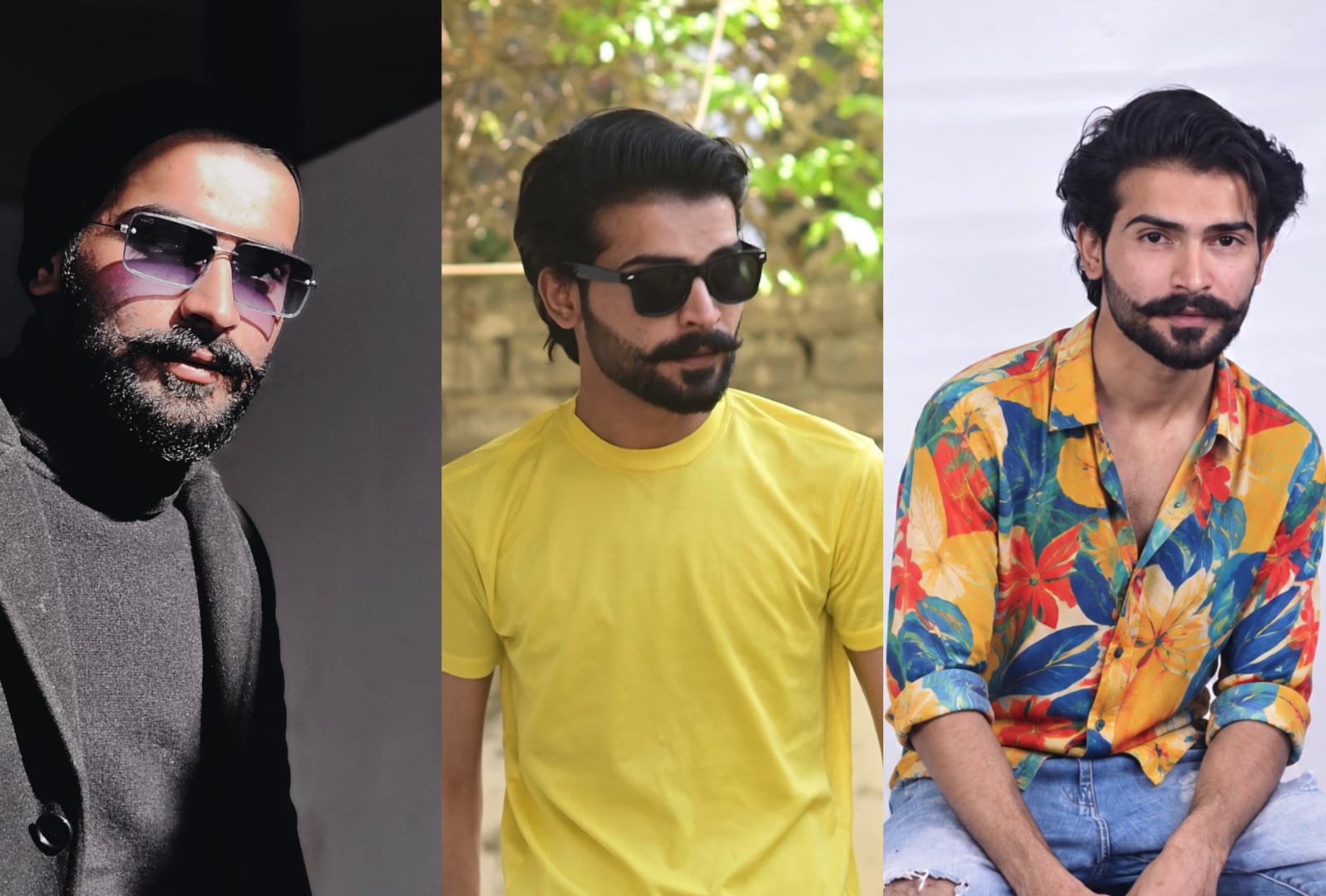
Fashion has always been a great tool to express yourself, however, in many parts of South Asia men are often looked upon if they choose to dress differently to the norm. Traditionally men’s fashion in South Asia follows traditional styles but there are those who are starting to take fashion into their own hands. Including actor Muhammad Usman Malik.
Malik has created a style that represents his personality. His style is very expressive, with often being very untraditional.
He is known for his acting in Parchi (2018), Heer Maan Ja, Joyland (2022) and Umro Ayyar. However he has also been noticed for his unique fashion choices. His outfits are vibrant, bold and often include very unique combinations and layering.
Malik found it difficult to dress this way. He explains “My style isn’t something that came easily to me. I used to feel the pressure to conform and wouldn’t ever really be expressive as I would always be judged. I would change my personality to not get any negative comments but eventually realised that no matter what I did people would still judge me so why not be myself?”
This changed how he approached his fashion.
Malik has an experimental style to his fashion. His outfits often combine smart and casual clothes. He uses bold colours and patterns and will sometimes include elements that go against typical masculine fashion. Overall it feels like he approaches his fashion in a way that makes him feel like it is his personal style.
This confidence means his outfits can look a little unique but he wears them in a way that makes them look like an extension of his personality.
However his fashion choices have received some criticism.
Some have viewed his style as too much or not appropriate. Others have questioned if he is just putting on an act. This shows how there is an ongoing debate about men’s fashion in South Asia with many expectations around how men should dress, act and present themselves due to masculinity.
Overall Malik seems happy to know that not everyone will agree with his style. He states “I don’t dress for anyone. I dress to make me feel like myself.”
This has become a key part of how he views personal style. To him it is not just about looking fashionable but about feeling comfortable with who he is.
His approach comes at a time where the conversation around fashion, gender and personal style is becoming more apparent. Whilst traditional clothing and masculine fashion is still a big influence, younger generations are beginning to experiment with how they express themselves through their clothes.
Social media has helped this conversation become more apparent.
Malik’s approach to his fashion does not necessarily mean traditional mens fashion is fading away but it makes you think why should men feel like they have to dress a certain way? It makes you think about your personal style.
Some view fashion as a way to fit in whilst others see it as a way to stand out. Malik’s approach shows how both can be a personal choice but you shouldn’t always be holding back.
Whilst his clothing may not be to everyone’s taste this is probably the point. Fashion is very personal and will depend on your personal taste, culture and how you view yourself. What one person sees as bold another may see as too much.
However the increasing visibility of men experimenting with their style shows the conversation is slowly changing. More men are beginning to view their clothing as a way to show their personality.
For Malik it starts with the freedom to dress how he likes.
Overall, regardless of if you like or question his style it shows how we should give our individuality room to shine. In a region where it often feels easier to fit in, his approach reminds us that fashion doesn’t have to be about trying to please others.
Sometimes it is just about feeling comfortable to be yourself.